

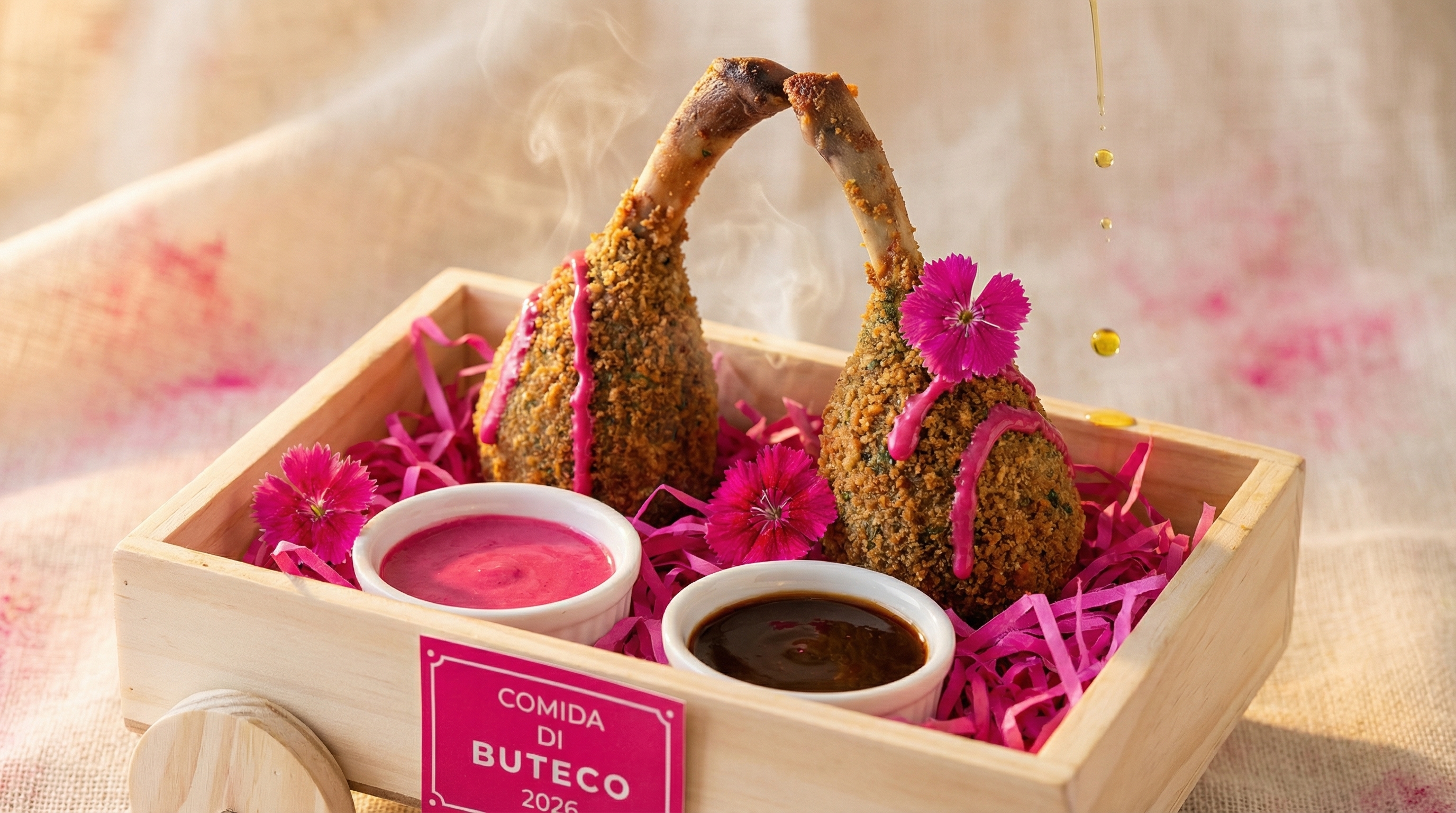
Comida di Buteco 2026: How Vegetables Are Revolutionizing Rio's Botecos
The 19th edition of the traditional food competition brings greens to center stage, challenging the carnivorous culture of Rio's traditional bars
The boteco is sacred in Rio de Janeiro. The counter is a confessional, the small glass is a chalice, and the pork crackling portion — well, it's always been unquestionable. Until now. Between April 10th and May 10th, the 19th edition of Comida di Buteco does something that seemed impossible: it puts vegetables at the center of Rio's boteco tables.
More than 150 bars scattered across the capital, Niterói, and Baixada Fluminense have accepted the challenge of transforming chard, spinach, cauliflower, and even PANCs (Non-Conventional Food Plants) into protagonists of appetizers that cost R$ 40. It's a quiet revolution, but loud where it matters: on the palate.
The Green No One Expected
Anyone who knows boteco tradition understands: vegetables were always decoration. A lost lettuce leaf on the plate, maybe some forgotten broccoli as a side dish. But 2026 arrived to change this story. The mandatory theme forces boteco cooks to rethink recipes that have existed for decades.
At Noo Cachaçaria in Praça da Bandeira, "NooUmami" combines chard, broccoli, and cauliflower sautéed in miso with a sweet-and-sour touch. At Bar do Thomaz in Camorim, "sweet potato dough stuffed with jerked beef, cheese, and broccoli" proves it's possible to maintain carnivorous essence while embracing green.
These aren't sophisticated restaurant experiments — they're creations from masters of the stove who got the message: vegetables can indeed be boteco delicacies.
Creativity on the Table, Tradition in the Glass
What's impressive isn't just the ingredients, but how they appear. At Boteco Brotinho de Copa, the traditional coxinha gets pork loin sautéed with ora-pro-nóbis. At Recreio do Leme, spinach crepe comes stuffed with broccoli, leeks, and bacon, balancing health and sin in just the right measure.
Empório do Bacalhau in Vila da Penha goes further: "Dom Felipe de Bacalhau" mixes shredded fish with spinach, grated carrot, and gratin cheese. It's Portugal meeting Brazilian vegetable garden at a Rio bar counter.
Each dish tells a story of adaptation. The bars didn't abandon their roots — they expanded them. The oxtail remains oxtail at Tibar in Taquara, but now comes accompanied by "sautéed watercress and fried polenta." The result? Tradition with renewed personality.
More Than a Contest, An Evolution
Comida di Buteco has always been a showcase for Brazilian popular creativity. Created in 2000, the competition has already revealed that boteco cuisine goes far beyond the trivial. The 2026 edition takes this premise to the extreme, forcing reflection on what "bar food" means in the 21st century.
The mechanics remain the same: public and judges evaluate service, beer temperature, hygiene, and mainly the appetizer — which is worth 70% of the final score. Three champions will be chosen: best in the capital, Niterói, and Baixada Fluminense.
But the impact goes beyond medals. With about 20% of participants being newcomers each edition, the contest constantly renews Rio's gastronomic map, encouraging innovation in a traditionally conservative sector.
The Future Is Green (And Tasty)
This isn't just about fashion or healthy trends. It's natural evolution. Rio's locals are more demanding, more curious, more willing to experiment. Bar owners, in turn, are proving that creativity has no social class or zip code.
When a neighborhood boteco manages to transform cauliflower into a champion appetizer, it's showing that haute cuisine doesn't have a monopoly on innovation. It's democratizing access to good food and, most importantly, respecting popular taste without underestimating it.
The "vegetables" theme may seem innocent, but it's the biggest creativity test Comida di Buteco has ever proposed. Removing the bitterness from kale or elevating chard to winning appetizer status requires technique, imagination, and courage.
Why Go
Because this edition marks a unique moment in Rio's boteco history. Seeing how popular cuisine masters reinvent classics using ingredients that previously didn't even step foot behind the counter is watching the evolution of our gastronomic culture in real time.
Besides, R$ 40 for an original appetizer in more than 150 establishments is a program that democratizes good dining. It's a chance to discover new bars, revisit old favorites, and participate in a change that could redefine the face of Rio's bohemian scene.
Between April 10th and May 10th, Rio's botecos prove that tradition and innovation can walk hand in hand — especially when there's a cold beer to accompany.
Want to discover more places like this? Chat with Pico.
Restaurants in this article
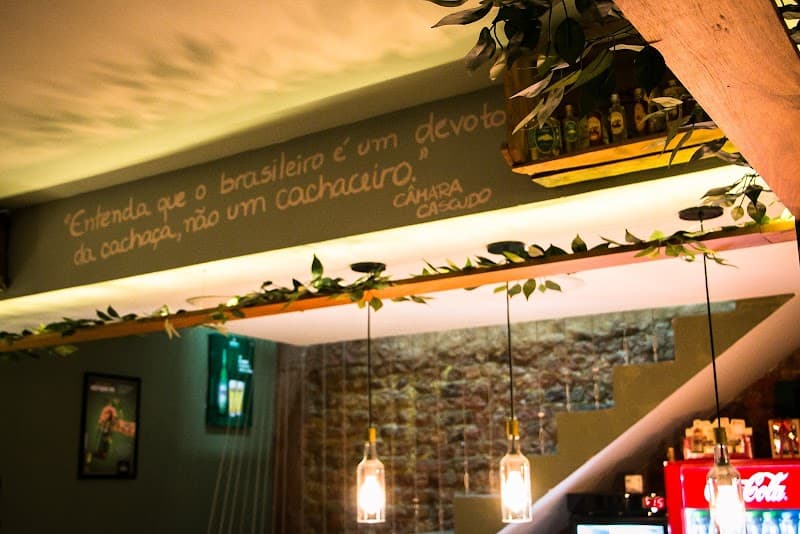
Bar Noo Cachaçaria
Located at Praça da Bandeira, serves the dish 'NooUmami' combining chard, broccoli and cauliflower sautéed in miso with sweet and sour touch
Praça da Bandeira, Rio de Janeiro
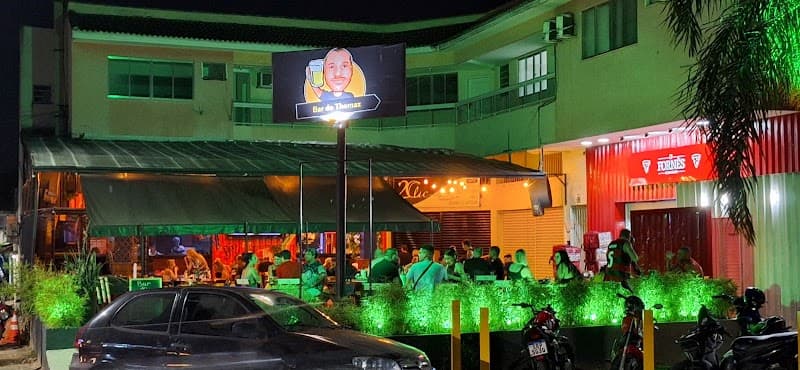
Bar do Thomaz
Located in Camorim, serves 'sweet potato pasta filled with dried meat, cheese and broccoli' as a participating boteco
Jacarepaguá, Rio de Janeiro
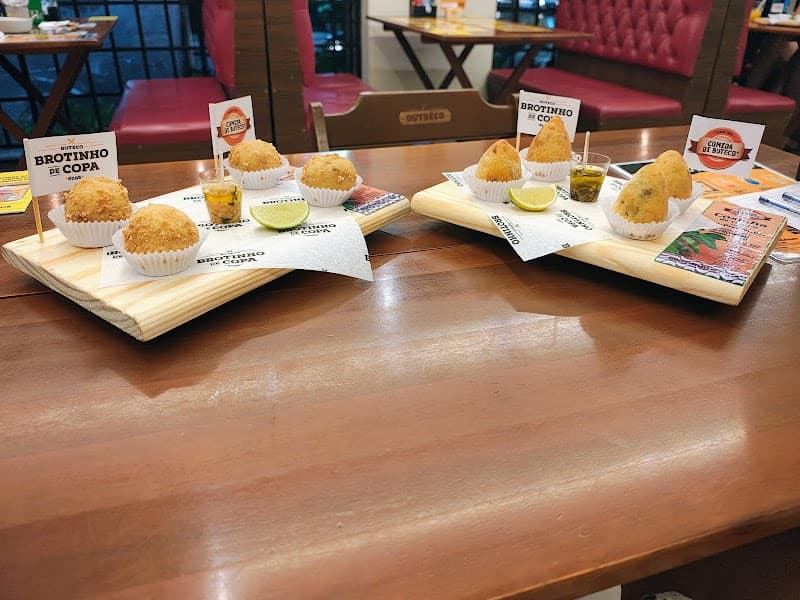
Boteco Brotinho de Copacabana - Almoço executivo e Petiscos
Offers traditional coxinha with pork loin sautéed with ora-pro-nóbis as part of the competition
Copacabana, Rio de Janeiro
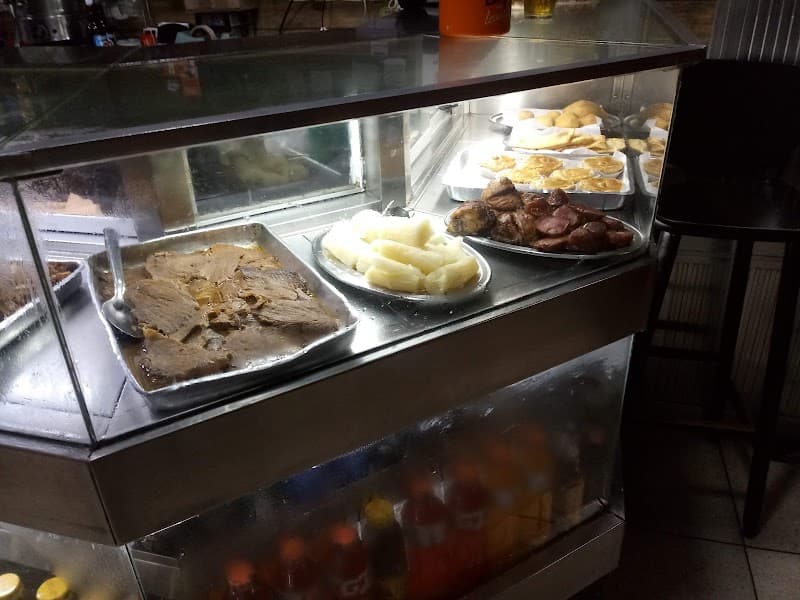
Café e Bar Recreio do Leme
Serves spinach crepe filled with broccoli, leek and bacon as a participating establishment
Leme, Rio de Janeiro
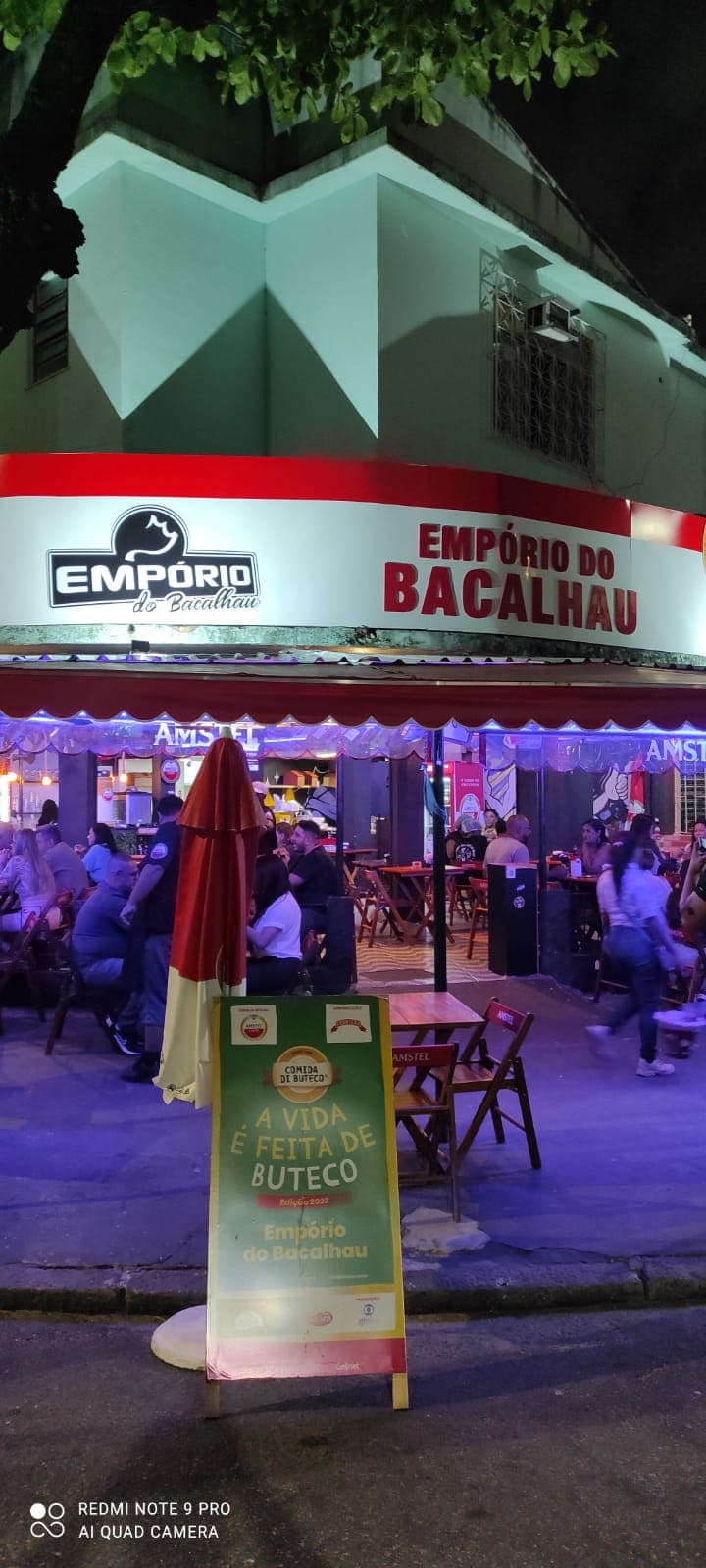
Bar Empório do Bacalhau - Vila da Penha
Located in Vila da Penha, serves 'Dom Felipe de Bacalhau' mixing shredded fish with spinach, grated carrot and gratineed cheese
Vila da Penha, Rio de Janeiro
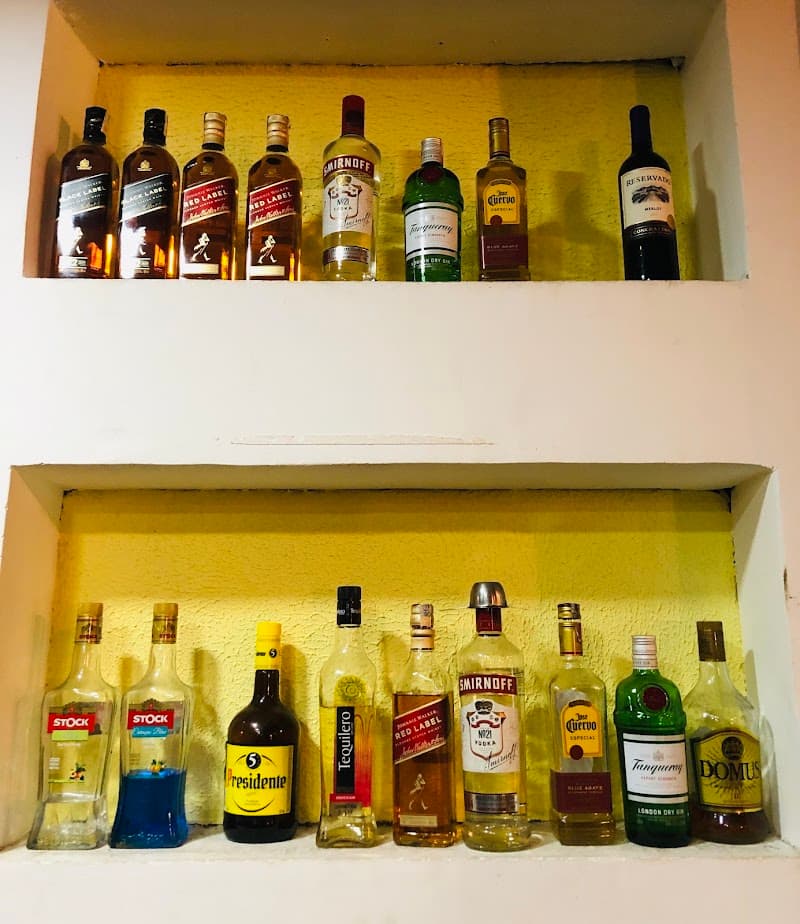
Tibar Taquara Bar e Restaurante
Serves traditional rabada accompanied by sautéed watercress and fried polenta as part of the competition
Taquara, Rio de Janeiro