

Caipira Cuisine Is Having a Moment: How São Paulo Is Reclaiming Its Rural Soul
From Tordesilhas to A Casa do Porco, eight restaurants are turning historically overlooked dishes into stars of São Paulo's contemporary food scene
There's a beautiful paradox at the heart of São Paulo's food culture. The city that so eagerly embraced Japanese, Italian, and Lebanese cooking spent decades ignoring — or rather, feeling embarrassed by — the cuisine that literally fed it before it became a metropolis. Cozinha caipira: the rustic, rural food of the São Paulo interior. Think slow-cooked pork ribs with feijoada rice, ants used as seasoning, cornmeal dumplings stuffed eight ways. That story is changing, and it's changing right now.
This isn't a one-off trend. At least eight São Paulo restaurants have made caipira cuisine the centerpiece of their menus — and the timing carries real weight. On September 26 and 27, Unibes Cultural (Rua Oscar Freire, 2.500, Sumaré) hosts the 7th edition of the Feira Gosto.SA — Finíssima Caipira, with more than 60 vendors and free admission. Curated by researcher Patrícia Moll, it's the largest public celebration ever dedicated to this tradition in the city.
The weight of a word
Before getting to the food, it's worth understanding why this cuisine took so long to earn its standing. The word caipira carries a double edge: it can mean "someone from the countryside" but also "someone rough and uneducated." Francisco Montans, of Quente da Boca, thought long and hard before labeling his restaurant that way. "The term still has a pejorative ring to it. Some people associate it with something crude," he says.
Mara Salles, who has led Tordesilhas since 1990 — over three decades of Brazilian cooking in Jardim Paulista — knows that prejudice intimately. "I've always fought hard to bring an elevated caipira cooking to the urban table," she says. At Tordesilhas, that conviction shows up as confited pork ribs with feijoada rice and collard greens (R$130) — a deeply rooted dish executed with technique and care.
Historian Viviane Soares Aguiar, author of Cozinha Caipira, Cozinha Esquecida (Ed. Parque), argues that the erasure was deliberate: as São Paulo positioned itself as a modern metropolis through the 20th century, it chose to distance itself from the very roots that had sustained it. The irony is that icons of this same cuisine — feijão tropeiro, canjiquinha with pork ribs, chicken with okra — are widely embraced by paulistanos when served under the label of "Minas Gerais food."
A culture without rigid borders
Chef Marcelo Corrêa Bastos, co-author of A Culinária Caipira da Paulistânia (Ed. Fósforo) and the chef behind Jiquitaia and Lobozó, explains that the geographic confusion makes sense. These dishes come from a shared food culture spanning from southern Minas Gerais to northern and western Paraná, through Mato Grosso and Goiás — what he calls the "Paulistânia." At Lobozó, in Vila Madalena, the dish that gives the restaurant its name is a rich corn-flour farofa, available vegetarian or with sausage (R$89–R$94). Simple in description, substantial in execution.
At Jiquitaia, in Paraíso, the Alex Atala group brings caipira ingredients into a more refined register. At Dalva e Dito, Atala's braseiro menu features pasta with bean stew and linguiça ragù (R$84–R$118) and pork in a tin with mandioquinha purée (R$149).
The dishes that tell the story
São Paulo's caipira itinerary is wider than you'd expect:
-
Boteco do 28, perched on the 28th floor of Farol Santander in downtown SP: içá ant farofa (R$15) and jenipapo flatbread with heart of banana blossom (R$18). The giblet rice comes with charred okra (R$49).
-
A Casa do Porco, in República: Jefferson Rueda launched a new menu in June anchored by arroz de suã — pork vertebra rice (R$120) — and whole roasted pig's head (R$498 for four, reservation required). Rueda raises his own caipira pigs at Sítio Rueda, the family farm.
-
Celeiro Arimbá, in Vila Romana: chef Angelita Gonzaga serves a mixed skillet with sausage and fried egg (R$59.90) and cornmeal pastéis with up to eight fillings (R$21.90–R$26.90 per pair).
-
Maria Farinha, in Pinheiros: another address bringing caipira vocabulary into a contemporary dining room.
Every one of these dishes carries an archive. The içá — the tanajura ant — has been used as protein and seasoning in interior communities for centuries. Quirera, broken corn, was the sustenance of generations of rural workers. Angu, the caipira polenta, was the daily bread of the people who built the São Paulo interior.
The fair as laboratory
The Feira Gosto.SA on September 26–27 is the movement's most accessible entry point. Alongside traditional offerings like Bar Sardosa's quirera fritters and Quente da Boca's corn bread, there are bolder takes: Mission Chocolate is bringing pamonha chocolates, and Pinguina is serving corn ice cream. Chef Heloísa Bacellar leads a workshop on pilão peanut candy. Hours: Saturday 11am–7pm, Sunday 11am–6pm. Free entry.
"This cooking, built from the fields and shaped by different peoples, is what fed the city before it became a metropolis," says curator Patrícia Moll. That statement captures what's really at stake: this isn't just a culinary revival, it's an act of identity. São Paulo, finally, looking itself in the mirror.
Why go — and why now
Caipira cuisine was never poor food. It was overlooked food. That distinction matters. What restaurants like Tordesilhas, Celeiro Arimbá, A Casa do Porco, and Lobozó are doing isn't dumbing down their menus in the name of a trend. They're acknowledging that the sophistication was always there, waiting to be named.
If you want in, the Feira Gosto.SA is the perfect entry point — no reservations, no dress code, corn ice cream and pilão peanut candy included. If you prefer a proper table, Tordesilhas takes reservations Tuesday through Saturday for dinner (from 7pm) and offers lunch on Saturdays and Sundays.
Want to discover more places like these? Chat with Pico.
Restaurants in this article
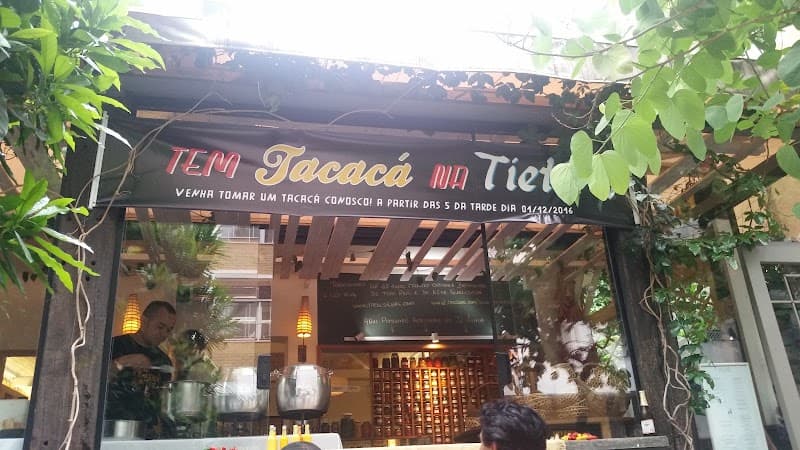
Tordesilhas
Primary subject — caipira cuisine pioneer since 1990, chef Mara Salles, costelinha de porco confitada com arroz de feijoada
Jardins, São Paulo

Jiquitaia
Mentioned as one of the eight restaurants featuring caipira cuisine, Alex Atala group
Paraíso, São Paulo

Lobozó Restaurante
Mentioned for its corn-flour farofa dish (lobozó), chef Marcelo Corrêa Bastos
Vila Madalena, São Paulo

Arimbá Restaurante
Mentioned as Celeiro Arimbá — chef Angelita Gonzaga, pastéis de angu and mexido do celeiro
Vila Romana, São Paulo

Boteco do 28
Mentioned for farofa de içá, esfiha de jenipapo, and arroz de moela com quiabo tostado
Centro Histórico de São Paulo, São Paulo
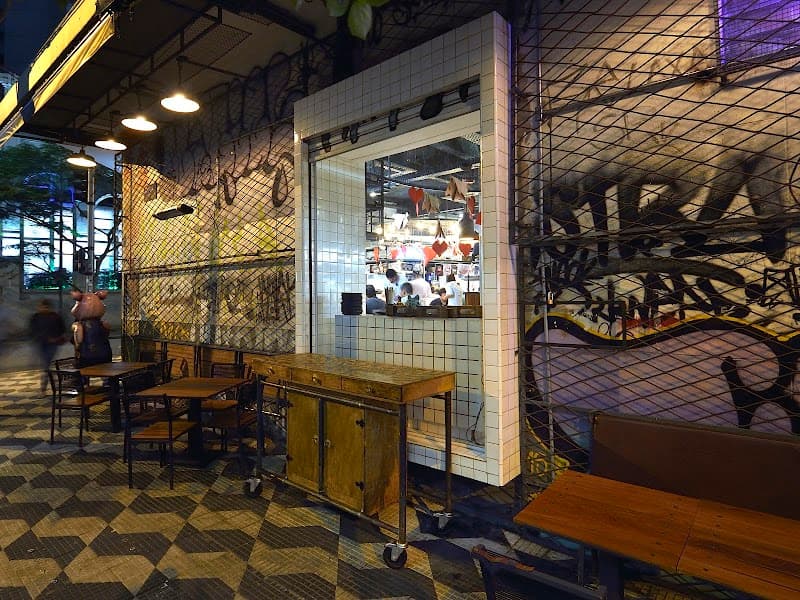
A Casa do Porco Bar
Chef Jefferson Rueda — arroz de suã and cabeça de porco assada, caipira pig farm
República, São Paulo

Maria Farinha Cozinha
Mentioned as one of the eight restaurants featuring caipira cuisine in Pinheiros
Pinheiros, São Paulo
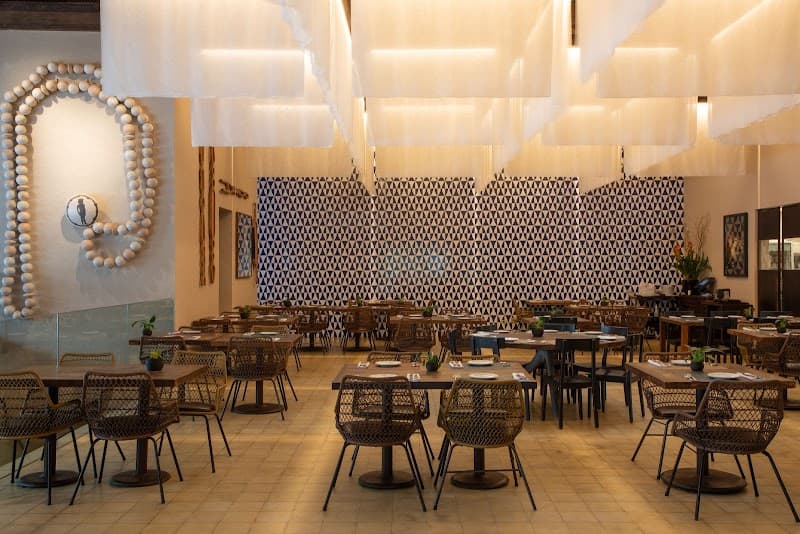
Dalva e Dito
Alex Atala's braseiro menu — macarrão com feijão e ragú de linguiça, porco na lata com purê de mandioquinha
Cerqueira César, São Paulo
Sources