
Rio Becomes a Product: How Cardápio Carioca Experience Turns Culture Into Business
On April 18th, Clube Monte Líbano in Lagoa will host something that may seem simple but reveals much about the current moment of Rio's tourism: an event that promises to condense "the essence of Carioca lifestyle" into a single afternoon. Cardápio Carioca Experience arrives with feijoada, samba, and a trophy to celebrate the city's "ambassadors" — all packaged for consumption.
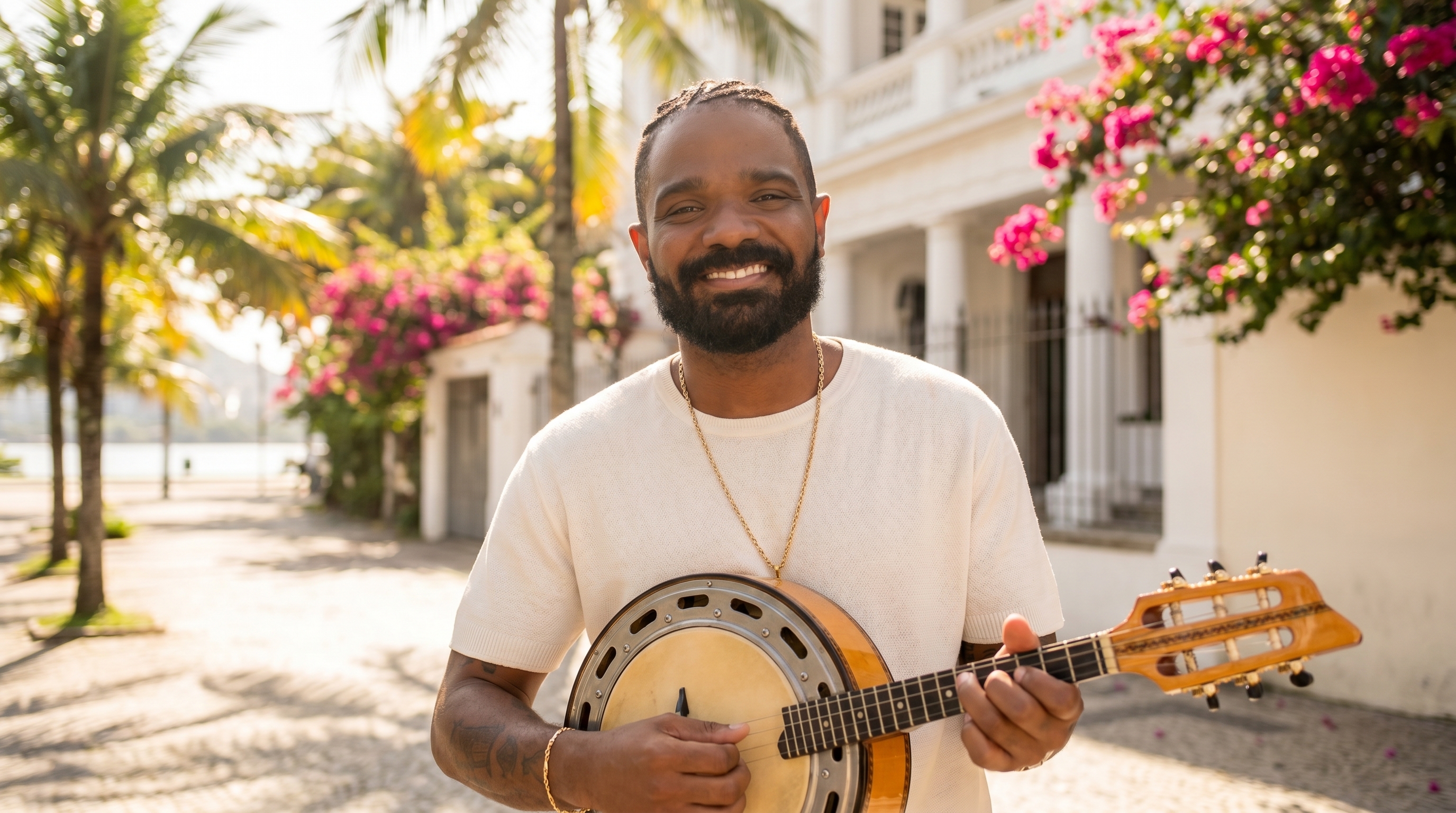
The initiative, created by Rogério Damata and Fábio Campos with support from Visit Rio, brings together elements any Carioca recognizes as everyday: boteco food, samba circles, relaxed gatherings. The menu promises affective gastronomy, while names like Arlindinho, Tinga, Celynho Show, Inho, Galocantô, and Bloco Brasil command the soundtrack. From 1 PM to 6 PM, what normally happens spontaneously in the city's botecos gets event structure, online tickets, and ambitions to enter the official calendar.
When Malandragem Becomes Marketing
What stands out most about Cardápio Carioca Experience isn't exactly the proposal — after all, Rio has always known its way of living is a differentiator. The issue is how this way of living is being systematically transformed into a tourist product. The event emerges "aligned with a broader movement: transforming cultural experiences into tourism assets," as the organizers themselves highlight.
This logic isn't new, but it's intensifying. In a scenario where tourism seeks "authentic experiences" instead of just tourist spots, Rio discovered it can sell not only its postcards but its daily life. Feijoada stops being just food and becomes "affective gastronomy." Samba leaves informal circles and gets a stage with defined programming.
The Troféu Carioca Nota 10, to be awarded during the event to personalities from culture, sports, tourism, and entrepreneurship, functions as a symbolic gesture of this new dynamic. More than recognition, it's a way to institutionalize those who "project Rio's image beyond its borders" — turning people into brands and brands into attractions.
Lagoa as a Setting
The choice of Clube Monte Líbano isn't accidental. With a view of Lagoa Rodrigo de Freitas, the location offers a postcard that by itself evokes the "Carioca imagination." It's important to note the event happens in a private space, in the heart of one of the city's most valued neighborhoods — a domesticated and controlled version of what naturally happens in other spaces.
The location reveals much about the target audience: tourists with purchasing power seeking an "authentic" but comfortable experience, without needing to venture into Lapa's botecos or suburban samba circles. It's the safe, organized, Instagram-friendly Rio.
Between Authentic and Manufactured
The big question events like Cardápio Carioca Experience raise is: to what extent can a structured cultural experience maintain its authenticity? There's no simple answer. On one hand, the event values local artists, employs musicians, and can awaken genuine interest in Carioca culture among those who know it superficially.
On the other hand, something is inevitably lost when spontaneity becomes spectacle. The samba circle with scheduled time, feijoada as "narrative," and casual encounter transformed into paid experience create an edited version of Carioca-ness — more palatable, perhaps, but also more artificial.
Tourism as Economic Engine
It's impossible to ignore the economic side of the question. Cultural tourism moves millions in Rio, generates jobs, and keeps traditions alive — even if packaged. Cardápio Carioca Experience fits into a trend that includes the already consolidated Rio Gastronomia, thematic festivals, and immersive experiences that bet on local culture as competitive advantage.
The city discovered it can monetize not just its natural beauties but its cultural capital. And in times of economic crisis, this discovery becomes a survival strategy for many creative sector professionals.
Why Go (or Not Go)
Cardápio Carioca Experience is neither revolutionary nor problematic — it's symptomatic. It represents a moment when Rio is learning to sell its own soul in an organized way. For tourists or curious Cariocas, it can be a pleasant introduction to elements of local culture. For those seeking the "authentic" experience, better look for a samba circle without a stage or a boteco without a view of Lagoa.
The event happens from 1 PM to 6 PM at Clube Monte Líbano, with tickets available online. It's all-ages and promises "samba circle energy and DJ sets" — a combination that well summarizes the spirit of the thing: tradition and modernity, authenticity and production, real Rio and Rio for tourists.
Want to discover more places like this? Talk to Pico.